The Economic Effects of E-Waste Recycling: Jobs, Advancement, and Sustainability
Electronic waste recycling provides a multifaceted economic opportunity, impacting employment growth and technological progress. As worldwide demand for e-waste management continues to expand, communities are positioned to gain from greater employment opportunities and innovative solutions. Additionally, this field holds a key position in driving environmental sustainability. Yet, the intricacies of successful e-waste recycling highlight significant questions regarding policy backing and community participation. What methods can be employed to improve these efforts and achieve greater results?
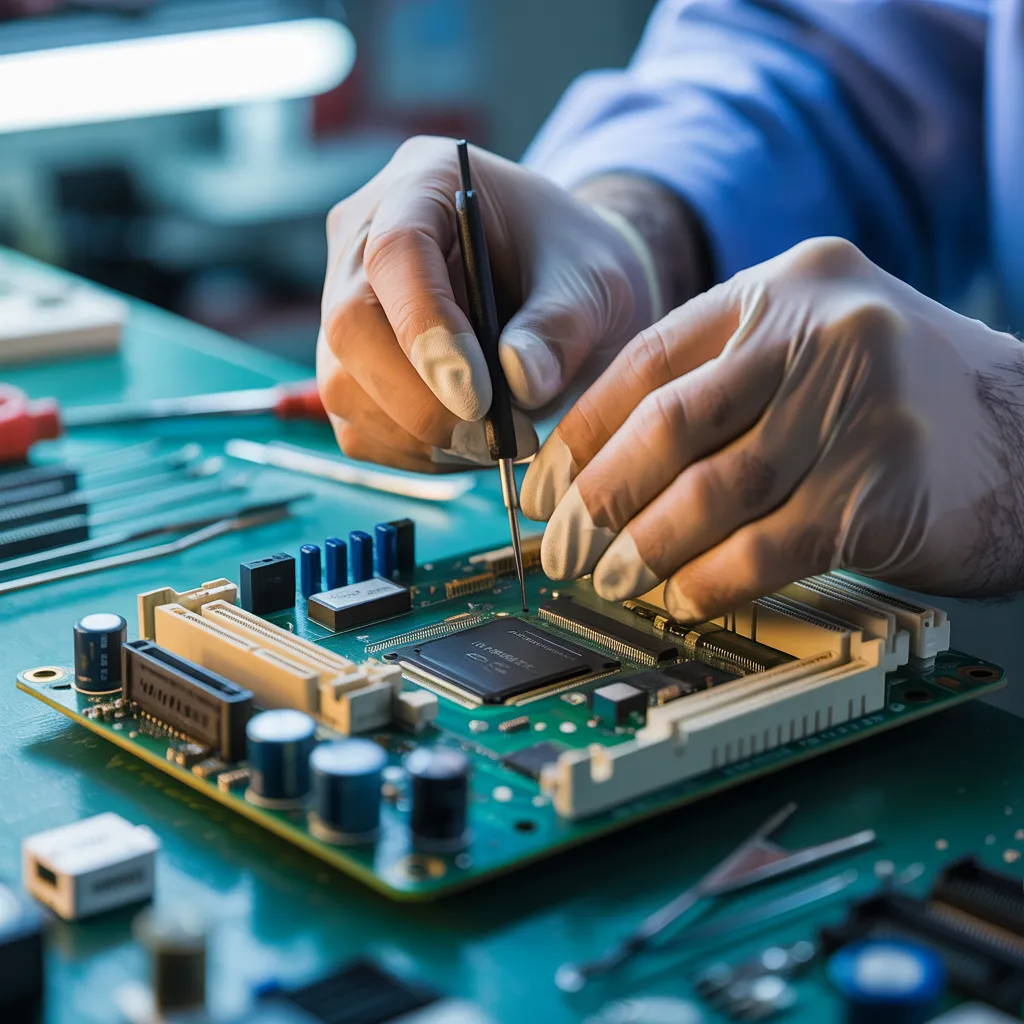
The Rising Problem of E-Waste: Understanding the Crisis
As technology continues to advance rapidly, the challenge of electronic waste, commonly referred to as e-waste, has escalated into a significant global crisis. Countless tons of unwanted electronic devices, such as appliances, smartphones, and computers, are created each year, contributing to environmental degradation. Many consumers are unaware of the hazardous materials present in these electronics, including lead, mercury, and cadmium, which can leach into soil and water, presenting grave risks to public health.
The inappropriate discarding of e-waste often leads to unregulated recycling methods, where unregulated workers take apart electronic devices lacking sufficient safety protocols. This not only amplifies the health dangers but also weakens productive recycling endeavors. Worldwide, only a small portion of e-waste is properly recycled, highlighting a critical gap in awareness and infrastructure. Tackling this issue demands a unified effort from governments, industries, and consumers to encourage responsible waste management and improve recycling frameworks, guaranteeing a greener and more sustainable tomorrow.
Financial Advantages: How E-Waste Recycling Generates Employment
Electronic waste recycling plays a significant role in job creation, with data revealing an increase in employment opportunities in this sector. It also fosters skill development, equipping workers with valuable expertise in technology and environmental management. Furthermore, the growth of recycling facilities can stimulate local economies, encouraging investment and fostering community growth.
Job Creation Statistics
The processing of e-waste has the potential to generate countless job opportunities throughout different fields. A report from the Global e-Sustainability Initiative suggests that for each position created in e-waste recycling, no fewer than 1.17 supplementary jobs are produced in related industries, like logistics and manufacturing. Additionally, the U.S. Environmental Protection Agency projects that enhancing recycling activities may generate roughly 1.17 million new positions by 2030. These positions range from acquiring and treating to renovating and redistributing refurbished electronics. Additionally, local economies benefit as these jobs often pay above minimum wage and provide opportunities for community engagement. As a result, the electronic waste recycling industry functions as a major catalyst for job creation, advancing eco-friendly initiatives while tackling environmental challenges.
Professional Growth Opportunities
Engaging in e-waste recycling not only resolves ecological concerns but also fosters substantial skill development possibilities. The field requires a wide range of capabilities, from technical expertise in breaking down electronic devices to understanding of environmental regulations. Educational initiatives can provide workers with critical skills, improving their job readiness in a developing industry. Furthermore, alliances with educational institutions can support practical training opportunities, bridging the gap between academic knowledge and practical application. As workers develop expertise in areas such as electronic restoration, data recovery, and hazardous material handling, they help build a more sustainable economy. In the end, these skill development initiatives uplift participants while advancing the broader development and advancement within the e-waste processing field.
Local Economic Growth
Recycling electronic waste serves to boost skill development while also driving community economic development by producing many new job prospects. The electronic waste recycling sector requires a diverse workforce, from technicians to logistics personnel, thereby generating employment across various skill levels. Area enterprises profit from rising demand for solutions involving e-waste gathering, handling, and redistribution of reconditioned goods. This activity fosters entrepreneurship, as new companies emerge to cater to the growing needs of the sector. Additionally, the economic stimulation contributes to higher tax revenues for municipalities, allowing for renewed investment in public services. With sector growth comes greater innovation in waste processing technologies, reinforcing community economic durability and environmental responsibility. Overall, e-waste recycling serves as a catalyst for extensive local economic growth.
Advanced Technologies Revolutionizing E-Waste Recycling
State-of-the-art innovations are transforming the electronic waste recycling industry through innovative separation processes and technological automation. These developments boost efficiency and accuracy in reclaiming useful components from electronic waste. The integration of robotics further streamlines processes, minimizing operational costs and environmental consequences.
Advanced Separation Techniques
Reshaping the e-waste recycling industry, innovative separation technologies harness innovative technologies to precisely reclaim valuable materials from discarded electronics. Methods including hydrometallurgy, pyrometallurgy, and sophisticated mechanical methods enable recyclers to reclaim metals like gold, silver, and copper with high precision. In addition, the use of sensor-driven classification systems allows for the quick detection of various materials, improving the accuracy of separation. These technologies not only reduce waste generation but also considerably diminish the environmental impact associated with standard recycling practices. By improving the recovery of scarce commodities, advanced separation techniques contribute to a circular economy, advancing sustainability and resource conservation. Ultimately, these developments strengthen the economic viability of e-waste recycling, creating job opportunities while fostering innovation in the sector.
Robotics and Automation Integration
Integrating automated technologies and robotics into electronic waste processing transforms the overall performance of materials reclamation. Automated technologies can quickly identify and sort various materials, substantially decreasing manual work and reducing human error. Sophisticated robotics integrated with AI technology improve the precision of disassembling intricate devices, allowing for improved recovery rates of precious components such as metals and circuit boards. This technological Find now integration not only speeds up the e-waste recycling process but also reduces overall operational expenses, positioning e-waste recycling as more economically viable. Moreover, automation enables enhanced safety conditions by decreasing exposure to dangerous materials. As these innovations progress, they promise to drive advancements in recycling techniques, supporting a more sustainable approach to electronic waste management and material recovery.
How E-Waste Recycling Promotes Sustainability
With electronic waste growing at an alarming rate worldwide, the significance of recycling stands out as a essential solution for promoting sustainability. E-waste recycling minimizes environmental harm by keeping dangerous materials out of landfills, thereby reducing soil and water contamination. By retrieving useful metals and materials, recycling helps conserve natural resources, decreasing the need for virgin material extraction. This process not only lowers energy consumption but also reduces greenhouse gas emissions associated with manufacturing new products.
In addition, e-waste recycling encourages a resource-efficient economy, facilitating the repurposing of resources and increasing the lifespan of digital devices. This transition works to reduce the negative impacts of fast-paced technological advancement and consumerism. When enterprises and local communities prioritize e-waste recycling, they work toward a greener tomorrow, strengthening the health of our ecosystems while fostering sustainable consumer habits. Consequently, electronic waste recycling emerges as a critical element in the quest for environmental responsibility in a technology-driven modern era.
How Policies Can Help E-Waste Recycling Efforts
The success of e-waste recycling initiatives copyrights considerably on the implementation of effective policies. Governments are instrumental in developing regulatory guidelines that support the proper handling and recycling of electronic materials. Initiatives such as extended producer responsibility (EPR) can encourage manufacturers to create products that prioritize ease of recycling, consequently decreasing the volume of e-waste produced. Additionally, financial subsidies for recycling programs can lower barriers for consumers and businesses, promoting greater involvement in recycling activities.
In addition, public outreach programs supported by legislative measures can raise awareness among communities about the ecological and financial advantages of e-waste management and recycling. Establishing defined standards for e-waste gathering and processing can improve overall efficiency and confirm that toxic materials are managed responsibly. By building a coherent legislative environment that focuses on responsible e-waste management, governing bodies can drive employment opportunities, promote advancement in recycling technologies, and promote sustainable economic growth.
Community-Driven Strategies That Maximize E-Waste Recycling's Economic Benefits
Neighborhood actions markedly bolster the monetary effect of e-waste recycling by fostering neighborhood participation and consciousness. Programs such as community collection events and informational seminars not only motivate residents to recycle but also create a sense of mutual commitment. Local organizations often partner with recycling companies, improving convenience and convenience for residents.
Moreover, these community-driven efforts can create jobs, from collecting and organizing to handling electronic waste. By advancing eco-friendly methods, communities can stimulate regional economic growth while decreasing ecological risks linked to improper disposal.
In addition, outreach programs can foster innovation by highlighting new recycling advancements, empowering local entrepreneurs to explore new business opportunities within the e-waste recycling space. Fundamentally, community engagement creates a compounding impact, boosting the financial advantages of e-waste recycling and contributing to a more sustainable future.
Common Questions and Answers
What Personal Items Qualify as E-Waste for Recycling?
Common personal electronics that are considered e-waste for recycling consist of used smartphones, laptops, tablets, television sets, printers, and numerous other electronic appliances. Furthermore, batteries and chargers fall under the category of e-waste and must be disposed of through responsible recycling.
How Can Individuals Properly Dispose of Their E-Waste
People can properly dispose of e-waste by finding certified recycling facilities, joining neighborhood recycling initiatives, or utilizing manufacturer take-back programs. Performing thorough data erasure prior to disposal is critical for safeguarding personal information.
Do Health Risks Exist When It Comes to E-Waste?
Indeed, e-waste presents substantial health risks. Contact with toxic substances, such as mercury and lead, can lead to severe health issues, including breathing difficulties, damage to the nervous system, and a higher risk of cancer, particularly for workers in improper disposal environments.
What Are the Environmental Consequences of Improper E-Waste Disposal?
Inadequate e-waste disposal results in pollution of soil and water sources, harming ecosystems. Hazardous materials, including heavy metals, seep into the environment, creating dangers for wildlife and human health while contributing to broader ecological degradation.
How Can Organizations Take Part in E-Waste Recycling Efforts?
Companies can engage in e-waste recycling programs by collaborating with accredited recycling facilities, establishing product return initiatives, educating employees and customers, and investing in sustainable technologies that promote responsible disposal and resource recovery from electronic waste.